Blackjack Basic Strategy Table: A Practical Playbook for Australian Players
Blackjack rewards patience more than luck when you know the odds. The blackjack basic strategy table gives you a clear, mathematically tested map for every hand, and it is worth treating like a support script anyone can learn. I have spent years leading 24/7 online gaming support teams, and the players who ask the sharpest questions are always the ones who come in with a plan, not a guess. If you are playing from Sydney or anywhere else in Australia, the same logic applies, even when the interface changes. A reliable spinsamurai bonus run4winnodeposit.com can sweeten a session, but it should never replace the discipline of knowing when to stand or double.
What a Strategy Table Actually Does
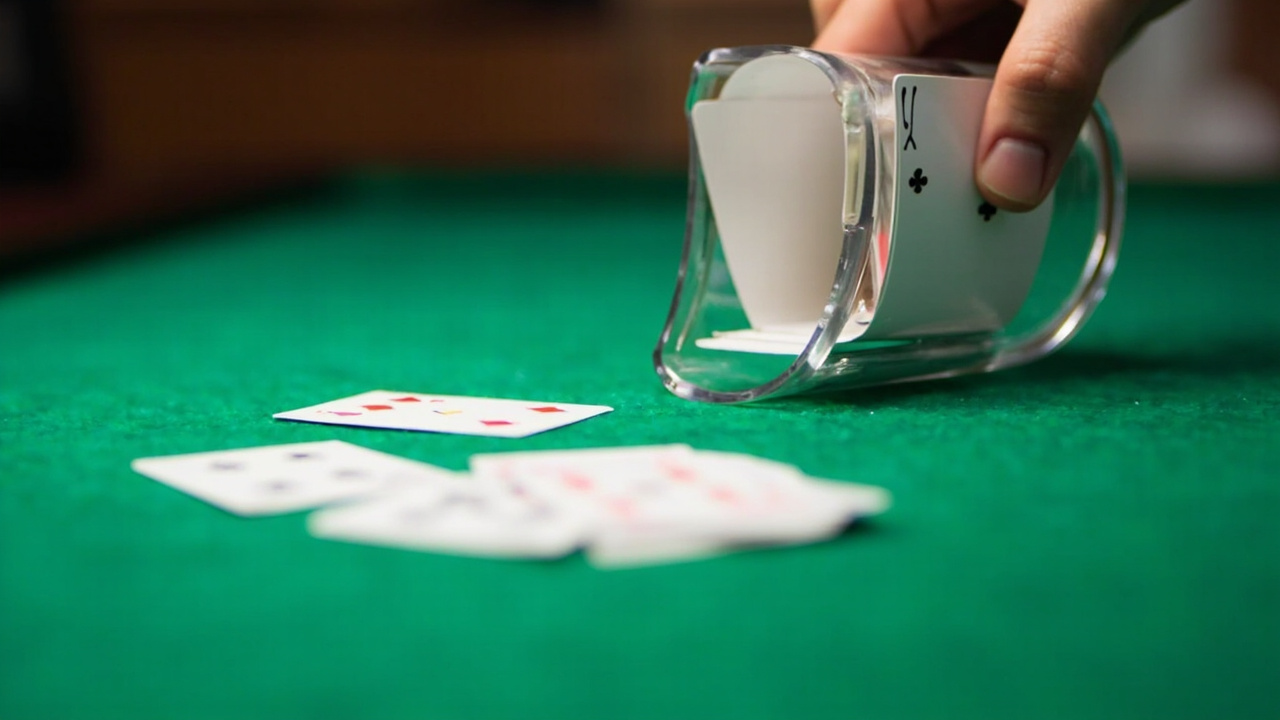
A blackjack basic strategy table is a compact reference grid that tells you the statistically strongest move for any combination of your two cards and the dealer’s visible card. It is not a betting system, and it does not promise wins; it simply reduces the house edge to its lowest practical level by removing guesswork from routine decisions. The table is built from millions of simulated outcomes, so each recommendation reflects probability, not hunches or superstition. In my support work, I often compare it to a live chat escalation path: when the path is clear, agents resolve issues faster and players get fewer frustrating dead ends. The same clarity applies here, because a well-memorised table stops you from making emotional calls on stiff totals that statistically should hit or stand.
| Your hand | Dealer up-card 2-6 | Dealer up-card 7-Ace |
|---|---|---|
| Hard 12 | Stand | Hit |
| Hard 16 | Stand | Hit (surrender if offered) |
| Hard 17+ | Stand | Stand |
| Soft 18 | Double on 6, else stand | Hit on 9-Ace, else stand |
A compact reminder like this one belongs on a phone wallpaper or a small card at the table, not buried in a forum thread. The table works because it treats every decision as a repeatable process, which is exactly the kind of process improvement I have seen turn chaotic queues into calm, consistent service.
Reading the Table Without the Guesswork
The grid splits decisions into hard hands, soft hands, and pairs, and each category has its own logic. Hard totals are the ones without an ace counted as eleven, and they are where most players lose ground by standing too often on marginal numbers. Soft hands give you flexibility because an ace can shift value, which is why the table often suggests doubling on soft eighteen against a weak dealer card rather than playing it safe. Pairs are their own section because splitting changes the expected value of the hand entirely, and the table only recommends it when the math supports two independent chances instead of one compromised hand.
The real skill is recognising the patterns that repeat across sessions. A dealer showing a five or six is usually vulnerable, so the table leans toward standing on your own marginal totals and letting the dealer bust. A dealer showing a ten or ace is the opposite problem, and the table becomes more aggressive about protecting your hand instead of chasing a perfect outcome. I have watched support queues spike during long arvo sessions when players start overruling the table because of a short losing streak, then ask why the results feel off. The answer is usually that the table was working and the frustration was doing the damage.
For players who prefer a tablet setup, a practical guide to tablet blackjack for Australian players can help you keep the grid visible without cluttering the screen. The point is not to memorise everything in one sitting; it is to learn the high-frequency spots first, then build outward as the hands repeat.
- Start with hard totals from twelve to sixteen, since those decisions come up constantly.
- Add soft hands next, especially soft eighteen against weak dealer cards.
- Finish with pairs, because splitting rules are easy to forget under pressure.
Who This Fits Best
A blackjack basic strategy table suits players who want a steady, repeatable approach rather than a flashy shortcut. It is a strong fit for anyone who plays regularly, keeps sessions short, and prefers a clear rule set over improvising every hand. It is less useful for players who are mainly chasing novelty, because the table is about consistency, not excitement. In my experience, the best match is a player who treats the table like a checklist and the session like a routine, not a high-stakes performance.A Practical Guide to Tablet Blackjack
Payment and registration details matter here more than they do in pure table games, because a smooth wallet flow keeps you focused on decisions instead of delays. A platform that supports familiar currencies and quick verification reduces the friction that can distract you from the grid. Support quality matters too, especially when a live chat team can answer a withdrawal or bonus question without sending you in circles. I have always judged a service by how it behaves when a player is busy and needs a fast, accurate answer, and that same standard applies to any blackjack setup that wants to keep strategy front and centre.
Adam King, Independent iGaming Expert, Top End Gaming Advisory, puts it plainly: “A strategy table only earns its keep when the platform around it is stable enough that you can actually follow it without distractions.” That is the practical test. If the interface, payments, and support all behave, the table becomes a reliable tool. If they do not, even a perfect grid is fighting the environment.
Keeping the Table Useful at the Table
The best way to use a blackjack basic strategy table is to let it handle the routine calls so you can save your attention for the moments that actually matter. That means learning the most common hands first, keeping the reference close at hand, and resisting the urge to override it after a bad beat. The table is not a personality test or a guarantee; it is a way to make every session a little more disciplined than the last.spinsamurai bonus
I still think about the old casino slang where a George was a generous tipper and a stiff was someone who never tipped, because both labels came down to expectations and consistency. The same idea applies here. A player who follows the table consistently is not trying to outsmart the game every second; they are simply refusing to make the same avoidable errors over and over. That mindset is worth more than any short-term streak, and it is the reason the grid still earns its place on a phone screen or a printed card.
Las Vegas uses enough electricity for its lights to be visible from space, which is a dramatic image, but the quieter truth is that disciplined play usually looks less spectacular and pays off more reliably. If you want a session that feels controlled rather than chaotic, the blackjack basic strategy table is the closest thing to a steady hand you can carry into the game.
